What Is Personal Colour Analysis? A Complete Guide to 4, 6 and 16 Season Colour Systems
- By The Image Products
- 0 Comments
- Posted on
Introduction
Have you ever noticed that certain colours make your face look brighter, while others make you look tired or dull? The reason may be connected to your natural colouring and how different colours interact with your appearance.
Personal colour analysis is a process of understanding which colours complement an individual’s natural features and personal style. It helps people explore suitable colour palettes for clothing, makeup and accessories.
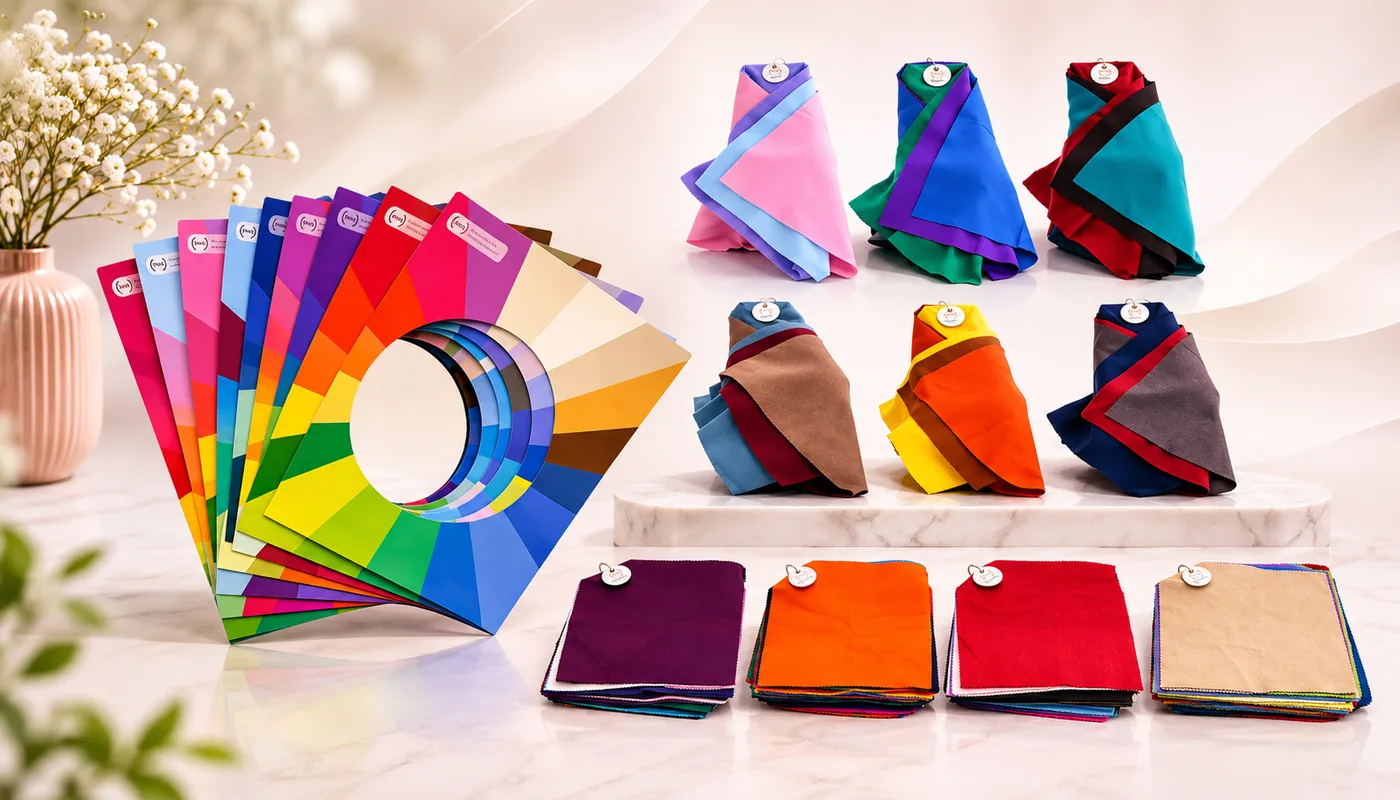
Professional image consultants use colour analysis techniques and tools such as fabric drapes, colour flags and harmony frames to demonstrate colour relationships and guide clients through different palettes.
At The Image Products, you can explore professional colour analysis tools and resources designed for image consultants and styling professionals.
If you want to develop your knowledge and build a career in image management, the Indian School of Image (ISIM) offers professional education and training opportunities.
In this guide, we will explore personal colour analysis, understand the 4, 6 and 16 season colour systems, discover professional colour analysis tools and learn how they are used during consultations.
What Is Personal Colour Analysis?
Personal colour analysis is the process of exploring colours that complement an individual’s natural appearance.
During a consultation, a professional may consider characteristics such as:
Skin undertone
Hair colour
Eye colour
Overall contrast
Colour temperature
Colour value and intensity
Different colours can create different visual effects when placed near the face. Colour analysis helps individuals understand these relationships and explore palettes that complement their natural features.
Personal colour analysis can help individuals:
Discover colours that complement their appearance.
Understand warm, cool and neutral colour characteristics.
Explore seasonal colour palettes.
Make more informed clothing and accessory choices.
Coordinate colours with greater confidence.
Develop a more consistent personal style.
Colour analysis is not about restricting someone to a fixed set of colours. It is about understanding colour relationships and discovering options that suit individual preferences and styling goals.
Understanding the Basics of Colour Analysis
Before exploring seasonal colour systems, it is useful to understand a few important colour characteristics.
1. Skin Undertone
Skin undertone refers to the underlying colour characteristic of the skin. It is commonly described using three broad categories:
Warm undertone: Often associated with golden, peachy or yellowish characteristics.
Cool undertone: Often associated with pink, rosy or bluish characteristics.
Neutral undertone: A balance of warm and cool characteristics.
Skin depth and skin undertone are not the same. Two people with similar skin depth may have different undertones.
2. Colour Temperature
Colours are often described as warm or cool.
Warm colours: Colours with yellow, golden or orange-based characteristics.
Cool colours: Colours with blue, pink or violet-based characteristics.
3. Colour Value
Value describes how light or dark a colour appears.
For example, pale pink and deep burgundy belong to different value ranges, even though both are variations of red.
4. Colour Intensity
Intensity refers to how bright, clear, soft or muted a colour appears.
Understanding temperature, value and intensity helps image consultants explore colour combinations and explain why different shades may create different visual effects.
The 4 Season Colour Analysis System is one of the traditional approaches to seasonal colour analysis. It groups colour palettes into four broad seasonal categories:
Spring
Summer
Autumn
Winter
Each season represents a different combination of colour characteristics.
1. Spring Colour Palette
Spring palettes are generally associated with warm, fresh and clear colours.
Examples include:
Peach
Coral
Warm pink
Light turquoise
Golden yellow
Fresh green
2. Summer Colour Palette
Summer palettes are generally associated with cool, soft and muted colours.
Examples include:
Dusty rose
Lavender
Soft blue
Muted pink
Cool grey
Soft berry
3. Autumn Colour Palette
Autumn palettes are generally associated with warm, earthy and rich colours.
Examples include:
Terracotta
Mustard
Olive green
Rust
Warm brown
Deep golden shades
4. Winter Colour Palette
Winter palettes are generally associated with cool, clear and high-contrast colours.
Examples include:
Royal blue
Emerald green
Fuchsia
Icy pink
Black
Pure white
The 4 Season System provides a starting point for understanding seasonal colour characteristics. Explore our Color Drapes – 4 Seasons to discover the four seasonal colour palettes and support professional colour analysis consultations.
The 6 Flow approach explores colour characteristics through six different colour flows, offering another way to understand and demonstrate colour relationships.
Rather than looking only at four broad seasonal categories, a flow-based approach can help consultants explore more specific colour characteristics and transitions.
It can be useful when discussing:
Warm and cool colour directions.
Light and deep colour characteristics.
Soft and clear colour qualities.
Colour relationships within seasonal palettes.
More detailed colour comparisons during consultations.
Professional colour drapes can help consultants demonstrate these differences visually.
Explore Color Drapes – The 6 Flows at The Image Products.
The 16 Season Colour Analysis System offers a more detailed approach to seasonal colour classification.
It builds on the four-season concept by exploring additional variations within seasonal colour families.
This allows colour consultants to examine more specific combinations of characteristics such as temperature, value and intensity.
The purpose is to provide a more detailed framework for exploring colour palettes rather than placing everyone into only four broad categories.
Professional colour analysis resources can help consultants demonstrate and compare different seasonal colour characteristics.
Explore 16 Color Flags – Advanced Seasonal Color Analysis System and browse the Colour Analysis Collection.
Professional colour analysis tools help consultants demonstrate colour relationships during client consultations.
Different tools serve different purposes depending on the consultation method and professional specialisation.
1. Colour Flags
Colour flags help consultants display and compare colour options during a colour analysis session.
They can be used to demonstrate different colour characteristics and seasonal palettes.
Explore 16 Color Flags.
2. Fabric Drapes
Fabric drapes are used to compare how different colours appear when placed near a client’s face.
Consultants can use different drape collections to explore seasonal colour characteristics and demonstrate visual differences.
Explore:
3. Metallic Drapes
Metallic drapes can support demonstrations involving metallic colour characteristics and comparisons during colour consultations. Explore our Metallic Drapes for professional colour analysis demonstrations.
You can also explore the complete Colour Analysis Collection to find relevant professional resources.
4. Colour Harmony Frames
Colour harmony frames help consultants display and explain colour relationships through organised palettes. They can support visual demonstrations and discussions about seasonal colour combinations.
Explore our Color Seasons – 16 Seasonal Flow Harmony Frames to support professional colour analysis consultations.
5. Colour Fans and Personal Colour Resources
Portable colour resources can help individuals refer to their colour palettes while shopping or coordinating outfits.
Explore the My SkinSync Fan – 96 True Tone Shades Atlas.
Discover more professional resources in the The Image Products Colour Analysis Collection.
How Does a Professional Colour Analysis Consultation Work?
A professional colour analysis consultation generally involves understanding the client’s natural colouring, comparing different colour options and explaining suitable palettes.
The process may include the following stages.
Step 1: Understand the Client
The consultant begins by understanding the client’s preferences, styling goals and requirements.
Step 2: Observe Natural Colour Characteristics
The consultant considers visible characteristics such as skin undertone, hair colour, eye colour and overall contrast.
Step 3: Compare Different Colour Drapes
Different fabric drapes may be placed near the client’s face to demonstrate how colours interact visually with their natural features.
Step 4: Explore Seasonal Colour Palettes
The consultant explores relevant seasonal colour characteristics and compares different palettes.
Step 5: Explain Colour Recommendations
The client receives guidance on colour combinations and ways to incorporate suitable shades into clothing, accessories and personal styling.
Step 6: Build a Personal Colour Reference
Colour fans or other reference materials can help clients remember and use their colour recommendations in everyday styling.
Colour analysis is relevant to several professional fields.
Image consultants can use colour analysis to support personal image development, wardrobe planning and styling consultations.
Personal Stylists
Personal stylists can use colour knowledge to coordinate outfits, explore colour combinations and develop individual styling recommendations.
Fashion Professionals
Fashion designers, fashion educators and fashion consultants can use colour principles when discussing clothing, colour coordination and personal style.
Makeup Artists and Beauty Professionals
Beauty professionals can use colour knowledge to support discussions about makeup shades, lipstick colours and personal appearance.
Individuals interested in building a career in image consulting can develop their understanding of colour theory and professional consultation methods through structured learning.
For professional image management education, explore the programmes offered by the Indian School of Image (ISIM).
Choosing the right tools depends on your professional experience, consultation style and services.
Consider the following factors:
Identify Your Specialisation
Decide whether you focus on seasonal colour analysis, personal styling or advanced colour consultations. Choose tools that support your professional services.
Understand Your Clients' Needs
Consider the types of clients you work with and the consultations you provide. Select products that are practical for your consultation environment.
Start With Essential Tools
If you are beginning your career, start with tools relevant to your core services. You can gradually expand your collection as your skills and client base develop.
Consider Product Quality and Practicality
Look for tools that are organised, easy to use, portable when necessary and suitable for professional demonstrations.
Invest in Professional Development
Combine practical resources with training to strengthen your knowledge and consultation skills.
Explore professional colour analysis products through The Image Products.
Having professional tools is useful, but understanding how to use them is equally important.
A colour analysis consultant needs knowledge of colour principles, observation skills, consultation techniques and the ability to communicate recommendations clearly.
Professional training can help individuals develop these skills and understand how to conduct structured consultations.
The Indian School of Image (ISIM) offers image management education and training for individuals interested in developing their professional knowledge.
You can also explore the Image Consulting Program to learn more about professional training opportunities.
Combining education with appropriate consultation tools can help aspiring and experienced professionals build a more structured approach to their work.